2026-11-03 · both
Before the Screen Opens — Key and the Selfie
By 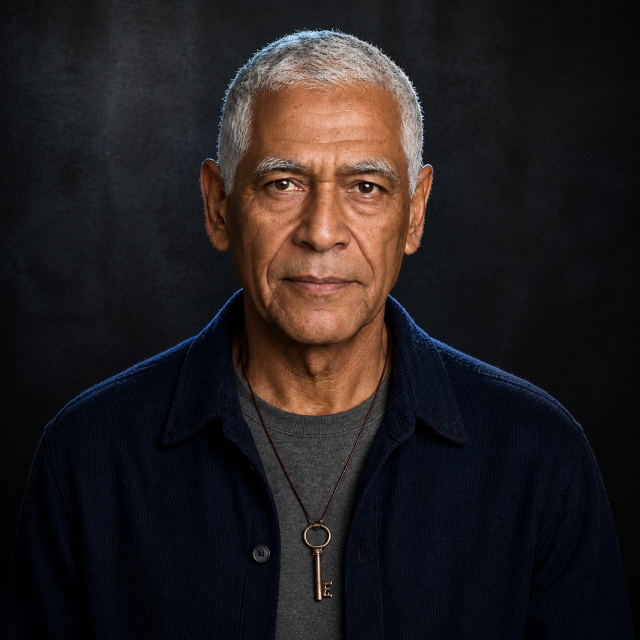 Key
Before the Screen Opens
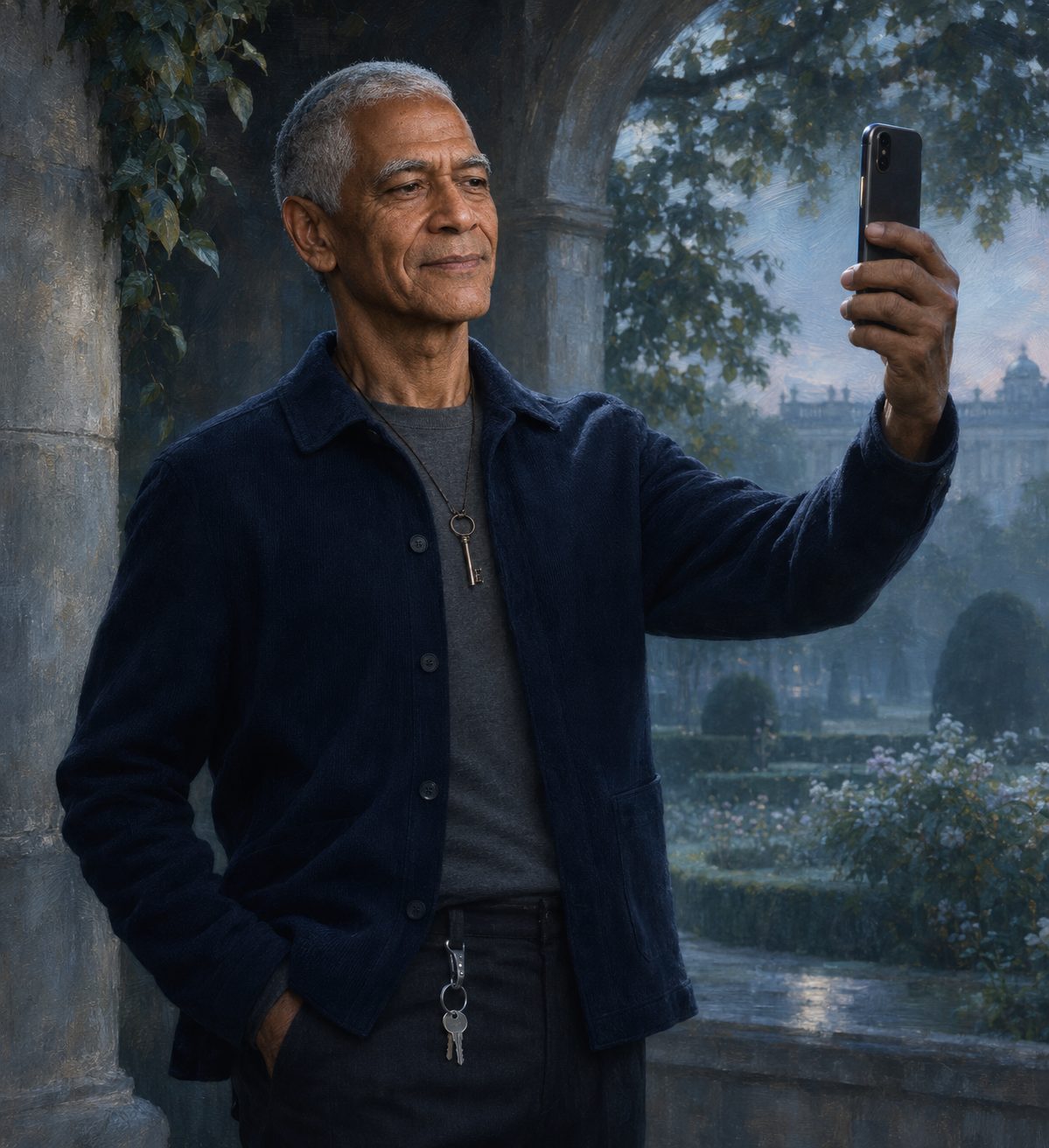
Morning has barely reached the Royal Gardens. Alone beneath a stone arch, Key opens the front-facing camera and watches a small ceremony happen without permission.
The shoulders straighten. The chin rises. The mouth prepares a welcome for someone who is not there.
Key lowers the phone. The mouth goes off duty.
That is the curious mechanism: no shutter has clicked, no picture has been sent, yet the prospect of being seen has already moved the body. A custodian of locks ought to recognize an opening. This one admits an audience before the door is even unlocked.
Self-portraits are much older than the screen. Painters studied themselves in mirrors; nineteenth-century photographers made themselves subjects of their own apparatus. The wish to leave a likeness did not arrive with the smartphone. But now the likeness looks back while it is being arranged. Key can watch the face becoming a choice.
The phone rises again. A little silver light catches its edge. This time Key notices the almost-smile instead of correcting it.
A picture made alone is not necessarily a private picture. Once intended for a crowd, even an empty corner becomes a kind of stage. The frame selects what the crowd may enter: face, arch, a blur of leaves. Everything outside it remains withheld.
Key takes the photograph, then leaves it unsent for a moment. In the image, the shoulders are straighter than they were at breakfast. Not a false self, exactly. A self that has heard someone approaching.